September 25, 2026
When a Loose Crown Becomes a Dental Emergency
By @josuepscv408
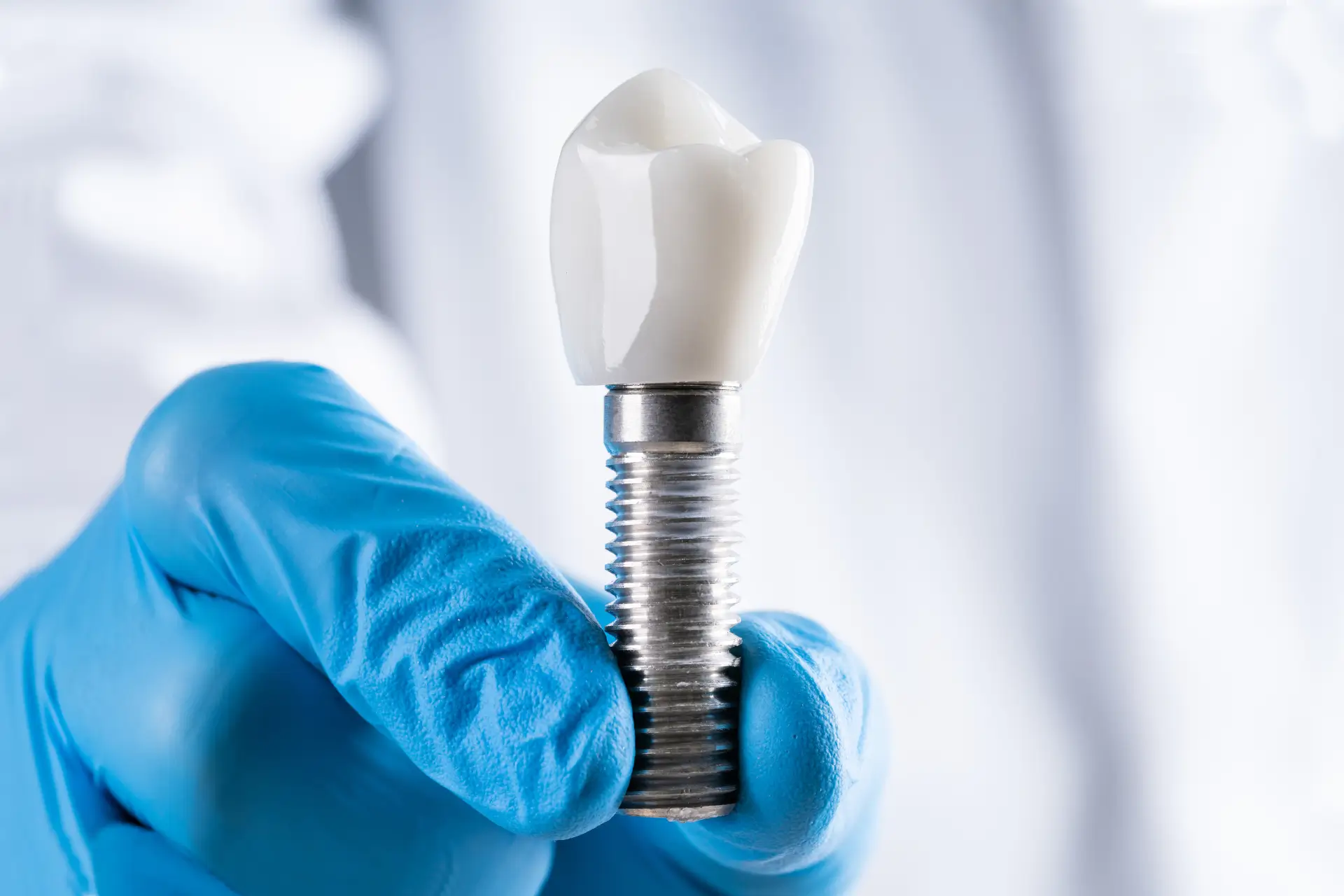
A loose dental crown can feel like a minor nuisance at first. You notice a slight wobble when you chew, or a strange movement when you run your tongue across the tooth. Many people assume they can wait a few days, finish the workweek, or see whether the crown settles down on its own. Sometimes that delay is harmless. Sometimes it turns a manageable repair into a true dental emergency.
The difference lies in what the crown is protecting, how unstable it has become, and what symptoms accompany it. A crown is not just a cap sitting on top of a tooth for cosmetic effect. It seals and shields a tooth that has usually already lost a substantial amount of natural structure. That tooth may have had a large filling, a fracture, root canal treatment, or deep decay in the past. Once the crown loosens, the underlying tooth can be exposed to bacteria, force, temperature changes, and further breakage.
In practice, the cases that cause real trouble are often the ones people try to “be careful with” for a few days. They chew on the other side, avoid sticky food, and hope for the best. Then the crown comes off during dinner, the tooth underneath cracks, or pain starts suddenly over a weekend. What might have been a straightforward recementation becomes a need for a new crown, a root canal, or extraction.
Why crowns loosen in the first place
Crowns do not typically become loose without a reason. Cement can wash out over time, especially if the fit was compromised or if the tooth has changed. Decay can form at the edge of the crown and undermine the bond. Teeth can also fracture underneath a crown, which changes how the crown seats and creates movement. In some cases, grinding and clenching put repeated stress on the tooth and crown until the seal begins to fail.
Age matters too, but not in a simple way. A crown placed ten or fifteen years ago is not automatically a problem, yet restorations do experience wear. The margin where crown and tooth meet is especially vulnerable. Even small gaps can trap plaque and allow bacteria to creep underneath. Once that process starts, the crown may feel loose long before there is obvious pain.
I have seen patients bring in crowns wrapped in tissue after they popped off while eating toast, caramel, or even a soft sandwich. It is tempting to blame the last thing eaten, but the food is usually just the final trigger. The underlying issue has often been developing quietly for months.
A loose crown is not always an emergency, but it can become one quickly
This is the part patients often find confusing. A loose crown does not always require a same hour visit, but it should never be ignored. The urgency depends on several clinical details.
If the crown is slightly mobile, there is no pain, and the underlying tooth is not exposed, the problem may be urgent but not necessarily emergent. The crown still needs evaluation soon, ideally within a day or two, because every bite risks dislodging it further or damaging the tooth underneath.
If the crown has come off completely and the tooth is sensitive, sharp, broken, or previously had root canal treatment with a post, the risk rises. The exposed tooth can fracture surprisingly easily, particularly if little natural tooth structure remains. Front teeth can create a cosmetic crisis, while back teeth often create a functional one.
Pain changes everything. A loose crown accompanied by throbbing, swelling, pressure when biting, bleeding around the gumline, or a bad taste in the mouth may point to infection, active decay, or a crack extending into the root. At that point, the issue is no longer just about recementing a crown. It may meet the practical standard of a dental emergency because delay can increase damage and treatment complexity.
The warning signs that make a loose crown more serious
Certain symptoms should move a loose crown from the “I need to schedule this” category into the “I need professional care as soon as possible” category. The tooth itself often gives clear signals.
- Significant pain when biting, chewing, or releasing pressure
- Swelling of the gums, face, or jaw near the crowned tooth
- Sensitivity to cold or heat that lingers rather than fades quickly
- Visible fracture of the tooth or crown, or bleeding around the margin
- The crown is off, and the remaining tooth looks very small, dark, or jagged
Those signs matter because they suggest more than a loose piece of dental work. They may indicate recurrent decay, a broken core, a cracked root, or infection involving the nerve or surrounding tissues. If facial swelling, fever, or difficulty swallowing is present, the situation deserves same day attention. That is no longer a simple crown problem.
What patients should do right away
The first few hours after a crown loosens or falls off can make a difference. Good home care cannot replace treatment, but it can prevent extra damage before you get to the dentist.
- Remove the crown if it is hanging loosely and could be swallowed or aspirated
- Rinse the crown gently and store it in a clean container
- Keep the area clean with warm water and gentle brushing
- Avoid chewing on that side, especially hard, crunchy, or sticky foods
- Call your dentist promptly, describe the symptoms clearly, and ask how soon you should be seen
One practical note matters here. Patients often ask whether they should glue the crown back in place. Household glue should never be used. It is not biocompatible, it can damage the tooth or crown, and it makes proper treatment harder. Temporary dental cement sold in pharmacies can sometimes be used for a short interval if a dentist recommends it, but even then it is only a stopgap. If the crown no longer fits correctly, forcing it on can trap debris, worsen pain, or even crack the tooth.
Why the tooth underneath is often the real problem
When a crown is loose, people focus on the crown because it is the part they can feel moving. Dentists focus on the supporting tooth. That is where the real stakes usually are.
A healthy tooth prepared for a crown is already smaller and more dependent on full coverage protection. If that tooth has a large buildup or post inside it, the remaining walls may be thin. Once the crown loosens, those walls are vulnerable. One strong bite on a crust of bread or an unpopped popcorn kernel can split what is left.
This is especially important in root canal treated teeth. Such teeth do not always feel pain the way vital teeth do, so the absence of pain can be misleading. A back tooth with a crown and previous root canal may lose its crown with almost no symptoms, yet the remaining tooth can fracture below the gumline before the patient realizes the severity. At that point, saving it may no longer be possible.
That is one reason dentists tend to sound more concerned than patients expect. They are thinking not only about how the crown feels today, but about how easily the situation can deteriorate tomorrow.
When recementing is enough, and when it is not
Many people hope the solution will be simple, and sometimes it is. If the crown is intact, fits well, the underlying tooth is sound, and there is no significant decay or fracture, a dentist may be able to clean it and recement it. That is usually the best case.
But a crown that has come loose often cannot simply be stuck back on. If decay has developed under the margins, the tooth must be cleaned and rebuilt first. If the crown no longer fits because the tooth broke, the restoration usually needs replacement. If there is not enough solid tooth left to hold a new crown securely, additional procedures may be needed, such as crown lengthening, a post and core, or in some cases extraction and replacement options.
This is where timing affects cost and complexity. A loose crown seen promptly may need a straightforward repair. The same crown ignored for two months may lead to extensive work. That is not alarmism, just the pattern seen repeatedly in clinical practice.
Pain patterns that should not be brushed off
Patients often use the word “sensitive” to describe very different experiences, so it helps to separate them. Brief discomfort to cold that goes away quickly can happen when a crown loosens and dentin becomes exposed. That is worth prompt evaluation, but it is not automatically a dental emergency.
Sharp pain on biting suggests something else, often a crack or movement of the tooth structure under load. Throbbing pain that wakes you up, lingers, or radiates to the ear or jaw raises concern for inflammation or infection in the nerve. Pain with swelling near the gumline can indicate an abscess, which changes the urgency considerably.
A patient once described a loose crown on a lower molar as “annoying but not terrible” for almost a week. The day she finally came in, she mentioned that the tooth hurt only when she released pressure after chewing. That detail was the giveaway. The crown had not simply loosened. The tooth underneath had developed a crack, and the crown was rocking on fractured tooth structure. She had managed to avoid severe pain, but the tooth was in a much more fragile state than the mild symptoms suggested.
Front teeth, back teeth, and different kinds of urgency
Not all loose crowns create the same kind of emergency. A loose crown on a front tooth often feels urgent because it affects appearance and speech immediately. That social and professional disruption is real, and dentists take it seriously. A dislodged front crown can also expose a post or a very thin remaining tooth, which may fracture if not handled carefully.
Back teeth create a different risk profile. Molars absorb heavy chewing forces. A loose crown there may be less visible, but the chance of further structural damage is often higher. Patients can accidentally keep chewing on it, especially if the discomfort is modest. That repeated force is exactly what can turn a salvageable situation into a tooth that needs more aggressive treatment.
For people with grinding habits, both scenarios carry extra concern. A crown that loosened because of clenching may be part of a larger pattern of force overload. Recementing or replacing the crown without addressing that habit can shorten the lifespan of the next restoration as well.
What dentists evaluate during the emergency visit
When you come in with a loose crown, the exam is not just about whether the crown can be put back on. The dentist needs to determine why it loosened and whether the tooth is still restorable. That usually means checking the fit of the crown, the condition of the tooth underneath, the integrity of the margins, the health of the surrounding gum tissue, and whether the bite is placing abnormal force on the area.
X rays are often part of that evaluation, particularly if there is pain, swelling, suspected decay, or concern about a fracture below the gumline. The crown may look acceptable from the outside while the tooth underneath shows recurrent decay or bone changes that alter the treatment plan.
Patients are sometimes disappointed to hear that the crown must be left off for a short period or that a temporary is needed instead of immediate recementation. But a careful approach is usually the right one. Cementing a compromised crown onto a decayed or fractured tooth may feel like a quick fix, yet it often guarantees a bigger problem later.
Home remedies have limits
There is a reason online advice about loose crowns is all over the map. Some home measures are harmless, and some are genuinely risky. Clove oil may dull discomfort for a short time, and warm salt water can soothe irritated gums, but neither addresses structural failure. Temporary dental cement can hold a crown in place briefly under the right circumstances, but it is not a substitute for diagnosis.
The more a patient relies on home fixes, the more likely it is that the true problem goes untreated. A crown that feels “fine” once temporarily seated may still Dental Emergency be sitting over active decay or a fracture line. The absence of pain after a quick do it yourself repair is not proof that the tooth is safe.
Prevention is usually less dramatic than treatment
Most loose crowns do not become emergencies without warning. The warning signs are small and easy to rationalize away. Food starts catching around the edge. There is a faint odor or taste around that tooth. Floss shreds or snaps at one margin. The crown feels slightly different in the bite. Sensitivity begins and then fades. Those Dental Emergency subtle changes are often the window in which simpler treatment is still possible.
Routine dental visits help, but patients notice many of these problems first at home. If a crown feels different, it is worth paying attention. That does not mean assuming the worst. It means respecting the fact that crowned teeth have less margin for neglect than untouched teeth do.
Grinding guards, managing clenching, maintaining good oral hygiene at the gumline, and addressing recurrent decay early all reduce the chance of crown failure. None of those measures are glamorous, but they are what preserve dental work over the long haul.
Knowing when to call it what it is
The phrase dental emergency gets used loosely, and that can make it harder for patients to judge their own situation. A loose crown does not always rise to that level the moment it starts moving. Still, certain patterns should be treated with urgency: pain that escalates, swelling, visible fracture, inability to seat the crown, and exposure of a vulnerable tooth core or post.
Even when symptoms are mild, speed matters. The key question is not simply, “Can I tolerate this?” It is, “What happens to the tooth if I wait?” That shift in thinking is what often saves teeth. Tolerable discomfort can still hide a fragile situation.
A loose crown is one of those dental problems that rewards early action. If the crown is intact and the tooth underneath remains healthy, treatment may be simple and conservative. If the tooth has begun to decay, crack, or infect, every day of delay can narrow the options. That is why experienced dentists do not dismiss a loose crown as trivial, even when it does not look dramatic.
When a crown becomes loose, the safest assumption is that the protective seal has failed and the underlying tooth needs help. Sometimes that help is minor. Sometimes it qualifies as a genuine dental emergency. The symptoms, the timing, and the condition of the tooth determine which one you are dealing with, and that is best decided in the dental chair, not after another painful night or one more meal chewed carefully on the opposite side.
Vitality Dental
Address: 1220 Coit Rd #106, Plano, TX 75075
Phone number: +19726454100
FAQ About Dental Emergency
What can the ER do for a tooth?
An emergency room (ER) can manage pain and treat severe infections with medication, but it cannot fix or pull a tooth.
What is considered a dental emergency?
A dental emergency is any oral health problem that involves severe pain, uncontrollable bleeding, or an infection that threatens your health or requires immediate care to save a tooth.
Is there a 24-hour dental service in Plano, TX?
There is no physical dental clinic in Plano, Texas, that stays open with walk-in staff 24 hours a day, but several offices offer 24/7 phone support, late-night hours, or same-day emergency care.
❧