October 26, 2026
How Emergency Dental Care in Plano, TX Can Prevent Tooth Loss
By @josuepscv408
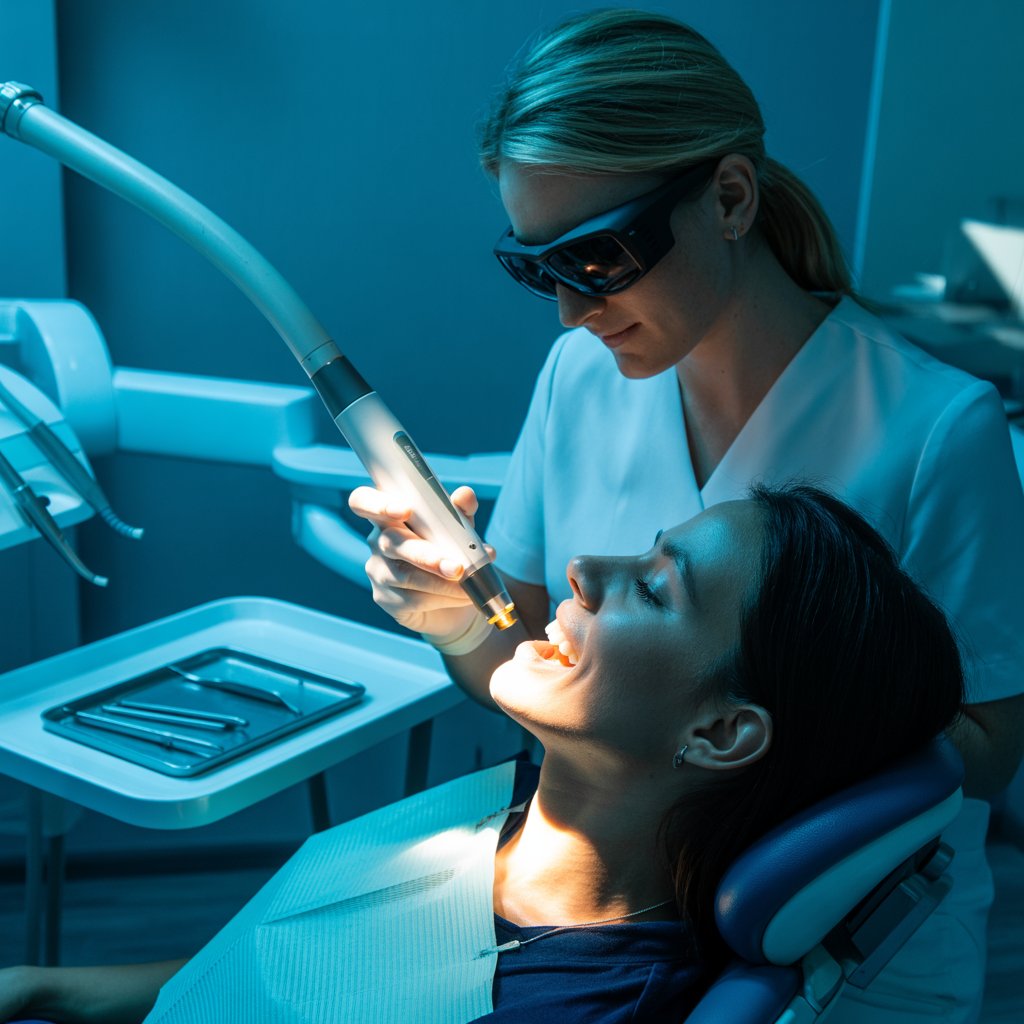
A surprising number of teeth are lost not because the damage was impossible to fix, but because treatment came too late.
That is the hard reality behind dental emergencies. A cracked molar after lunch, a front tooth knocked loose during a weekend soccer game, a swelling that starts as a dull ache and turns into a throbbing, sleepless night, these situations can move quickly. Teeth and the tissues that support them do not wait patiently while life gets less busy. When someone reaches an emergency dentist in Plano, TX early enough, the outcome often changes from extraction to preservation.
That difference matters. Saving a natural tooth usually means better biting function, less shifting of nearby teeth, lower long-term cost, and a simpler recovery. Even when a tooth looks badly damaged, prompt care can often stabilize it, control infection, and create options that disappear after too many hours or days pass.
Why timing changes everything
Dental problems tend to worsen in a predictable way. A small crack becomes a split. A cavity that might have needed a filling turns into a toothache that points to nerve involvement. Gum swelling that seems localized can spread into deeper tissues. Trauma that leaves a tooth slightly loose can compromise the blood supply if it is not repositioned and stabilized quickly.
In day-to-day practice, the first question is rarely, “Can this be fixed at all?” More often, it is, “How much healthy structure and supporting tissue do we still have to work with?” Emergency care is about preserving that remaining advantage.
A tooth is not just a visible crown. It depends on Emergency dentist Plano, TX the root, periodontal ligament, surrounding bone, nerve supply, and healthy gums. If a patient is seen early, an emergency visit may involve cleaning the area, repositioning a tooth, placing a temporary or final restoration, draining an abscess, prescribing medication when appropriate, or starting root canal treatment before infection destroys more tissue. If the patient waits, those conservative options shrink.
This is especially true in trauma cases. When a permanent tooth is knocked out, the clock starts immediately. The cells on the root surface are delicate, and their survival affects whether the tooth can successfully reattach. Even with severe pain from an infection, a delay can allow pressure and inflammation to build until the tooth becomes non-restorable or surrounding structures are threatened.
The emergencies most likely to lead to tooth loss
Not every urgent dental issue ends with an extraction, but some patterns show up again and again when teeth are at risk.
A cracked tooth is a common one. Someone bites down on ice, a popcorn kernel, or a hard nut. At first, it hurts only when chewing. By the next day, cold sensitivity starts. If the crack reaches the pulp or extends below the gumline, bacteria can enter the tooth and the supporting tissues. Early intervention may allow the tooth to be protected with a crown, treated with root canal therapy, or bonded temporarily until definitive care is possible. Wait too long, and the crack can deepen until the tooth splits.
Infection is another major threat. Dental abscesses do not always announce themselves dramatically at first. Some begin as intermittent pressure, a bad taste, or tenderness when biting. Once swelling appears, the bacterial load and tissue damage are usually more significant. Fast treatment can reduce pain, drain infection, preserve bone, and make the tooth salvageable. Delayed treatment can mean extensive decay, root damage, or bone loss that leaves extraction as the only realistic choice.
Knocked-out or displaced teeth also demand immediate attention. Children, teens, and active adults are especially vulnerable, but it can happen to anyone after a fall, sports injury, or car accident. A tooth that is pushed sideways or partly out of position may still be saved if it is repositioned promptly. A completely avulsed tooth has the best chance when handled correctly and replanted fast.
Large lost fillings or broken crowns can also put a tooth at risk, especially if much of the underlying tooth structure is already compromised. Patients often underestimate this problem because the pain may be mild at first. But once protective coverage is gone, a weakened tooth can fracture further, collect bacteria, or become sensitive enough to require more invasive treatment.
How an emergency dentist works to save the tooth
Emergency dental care is not just pain relief. It is triage with a preservation mindset.
The first step is to identify whether the problem involves trauma, infection, structural failure, or a combination. A proper exam often includes imaging, testing the tooth’s response, checking mobility, examining the bite, and evaluating the gums and bone around the area. What looks like one problem can hide another. A chipped front tooth after an accident may also have a root fracture. A swollen gum may trace back to a cracked molar rather than a simple food impaction.
Once the source is clear, the treatment goal is to stop the process that is threatening the tooth. That might mean removing decay and sealing the tooth, splinting a loose tooth to neighboring teeth, opening the tooth to relieve pressure from an infected nerve, prescribing antibiotics when there is a spreading infection or systemic involvement, or placing a temporary restoration until definitive care can be completed.
A good emergency dentist in Plano, TX will also think beyond the same-day fix. Some emergency procedures are intentionally temporary because the tooth needs follow-up after swelling settles or because full restoration requires a second appointment. The temporary phase can still be the reason the tooth survives. Stabilization buys time, and time, used correctly, often preserves options.
What patients can do in the first hour
The period between the injury or onset of severe symptoms and the dental appointment matters more than many people realize. A few simple actions can protect the tooth and surrounding tissues.
- If a permanent tooth is knocked out, hold it by the crown, not the root. If it is dirty, rinse it gently with milk or saline and try to place it back in the socket if possible. If that is not possible, keep it in milk or inside the cheek and get immediate care.
- If a tooth is cracked or broken, rinse gently with warm water, avoid chewing on that side, and save any large fragment if you can find it.
- If there is swelling, use a cold compress on the outside of the face for short intervals. Do not place aspirin directly on the gums.
- If a crown or filling falls out, keep the area clean and avoid sticky or very hard foods until you are seen.
- If pain is severe, use an over-the-counter pain reliever as directed unless your physician has told you to avoid it.
These measures do not replace treatment. They simply improve the odds that emergency care can be more conservative and more successful.
Cases where a few hours can make the difference
People often assume that losing a tooth means there must have been massive damage. In reality, the turning point is often a delay that seemed reasonable in the moment.
Take the common example of a patient who breaks a back tooth on a Friday evening. It hurts, but only when biting. They decide to wait until the next week because they are traveling or have a full weekend schedule. During that time, the fracture flexes with every meal. Bacteria enter deeper into the tooth. By Monday or Tuesday, pain wakes them up at night and swelling begins. What might have been managed with a crown or root canal becomes a vertical fracture requiring extraction.
Or consider the teenager hit in the mouth during a basketball game. A front tooth feels loose but not especially painful, so the family plans to “watch it.” By the time they seek care, the tooth has shifted further, the ligament is more damaged, and the blood supply has been compromised long enough to worsen the prognosis. Had it been splinted the same day, the tooth might have had a much better chance.
The same pattern appears with untreated infections. A patient notices a pimple-like bump on the gum that drains occasionally. Because the pressure comes and goes, they assume the problem is not urgent. Weeks later, the tooth has significant bone loss around the root. At that point, even excellent treatment may have less to work with.
Plano’s pace and the temptation to wait
In a busy community, delays are easy to rationalize. Parents shuttle children between school, sports, and activities. Adults work long hours, travel for business, and try to fit health concerns into narrow time windows. Dental emergencies do not respect calendars.
That is part of why access to an emergency dentist in Plano, TX matters so much. Same-day evaluation can intercept a problem before it becomes a larger and more expensive one. It can also prevent secondary complications. A lost molar does not just create a gap. Adjacent teeth can drift, opposing teeth can over-erupt, chewing patterns can change, and restorative needs can become more complex over time.
Many patients also underestimate how quickly pain can escalate. A mild ache at noon can become intense by bedtime if pressure builds within the tooth. Swelling can progress overnight. Waiting until the pain is unbearable usually means the disease process has already advanced.
Tooth loss is not the only thing at stake
Preserving a tooth is usually the headline concern, but emergency treatment also protects the structures around the tooth.
Bone support is a major one. Infections and advanced fractures can damage the surrounding bone, which affects whether the tooth can be saved and, if not, what replacement options remain later. Gum tissue can also be compromised by trauma or untreated decay. The healthier those tissues remain, the easier it is to restore function and appearance.
There is also the matter of bite stability. One missing tooth, especially a first molar, can alter how forces are distributed when you chew. Over time, that can strain nearby teeth, existing dental work, and even the jaw joints in some patients. A prompt emergency visit may stop a chain reaction before it starts.
For front teeth, appearance carries obvious weight, but so does speech. Chips, fractures, and displaced teeth can affect pronunciation, confidence, and professional interactions. Rapid repair or temporary restoration can restore normal appearance and function while longer-term treatment is planned.
When extraction is still necessary
Emergency care improves the chance of saving teeth, but it does not guarantee it. There are times when a tooth is too badly fractured, too decayed, or too compromised by bone loss to predictably maintain. The professional judgment lies in knowing when preservation is realistic and when aggressive attempts to save a tooth would only prolong discomfort and increase cost without a sound prognosis.
That decision should be based on restorable tooth structure, periodontal support, fracture pattern, infection extent, strategic value of the tooth, and the patient’s overall health and goals. For example, a small crack in a healthy molar is very different from a tooth with an old large filling, recurrent decay below the gumline, and a vertical root fracture. One may be highly savable. The other may not be.
Even when extraction is necessary, emergency care still matters because it controls pain, limits infection, and helps preserve surrounding tissues for a future replacement such as an implant or bridge. In other words, prompt treatment can still prevent a bad situation from becoming worse.
Warning signs that should not wait
Many patients hesitate because they are unsure whether their issue counts as an emergency. A useful rule is simple: if the tooth is traumatically injured, if swelling is present, or if pain is intense or rapidly worsening, it deserves prompt attention.
- A tooth that is knocked out, loose, pushed out of place, or broken after trauma
- Facial swelling, gum swelling, or a pimple-like bump near a tooth
- Severe toothache, especially if it throbs, wakes you from sleep, or hurts when biting
- Sudden sensitivity after a crack, lost filling, or lost crown
- Bleeding or soft tissue injury in the mouth that does not settle
Not every urgent dental problem is life-threatening, but ignoring these signs can reduce the odds of keeping the tooth.
The financial side of acting fast
Patients sometimes delay emergency treatment because they worry about cost. That concern is understandable, but it often works against them.
In general, earlier intervention is less invasive than late intervention. A tooth treated when the problem is localized may need a filling, crown, or limited endodontic care. The same tooth, after fracture propagation or spread of infection, may require extraction, bone grafting, and replacement. Those are very different treatment paths, both biologically and financially.
There is also the hidden cost of downtime. Dental pain affects sleep, concentration, appetite, and work performance. Parents miss time from work when children have untreated emergencies. A front tooth injury can have social and professional consequences that are hard to quantify but very real. Same-day care often reduces total disruption, not just total treatment.
What to expect at an emergency visit
Patients are often anxious because they imagine an emergency appointment as rushed or limited. In reality, the best emergency visits are focused, efficient, and clinically deliberate.
You can expect the team to ask how the problem started, how long it has been present, whether symptoms are constant or triggered, and whether there was trauma. They will want to know your medical history, medications, and allergies, especially if infection or pain control is involved. Diagnostic images are usually part of the evaluation, and they may perform percussion, cold testing, palpation, and mobility checks to determine the health of the tooth and surrounding tissues.
Treatment that day may be definitive or temporary. A temporary approach is not a lesser standard of care when used appropriately. For instance, placing a sedative filling in a painful tooth, stabilizing a trauma case, or initiating root canal therapy can be the exact step needed to prevent tooth loss while setting up a more durable final restoration in the near future.
The key is follow-through. Teeth saved in an emergency often still require completion of care, such as a crown after root canal treatment or periodic monitoring after trauma. Skipping that second phase can undo the benefit of acting quickly in the first place.
Prevention still matters, even in an emergency discussion
Most dental emergencies feel sudden, but many arise from conditions that have been developing quietly. Old fillings leak. Small cracks widen. Gum disease weakens support. Night grinding places repeated stress on vulnerable teeth. Regular examinations reduce the chance that a patient first learns about a problem when it becomes painful.
That said, even patients who do everything right can have accidents. Mouthguards during sports, nightguards for clenching and grinding, and timely maintenance of worn dental work help, but Emergency dentist Plano, TX they cannot eliminate every risk. What they do is improve resilience. A well-maintained tooth has a better chance of surviving trauma or acute infection than one already hanging on by a thread.
The real value of urgent dental care
When people search for an emergency dentist in Plano, TX, they are often focused on immediate relief, and understandably so. Tooth pain can be relentless. Swelling can be frightening. Trauma can be disorienting. But the deeper value of urgent care is preservation.
It preserves natural teeth when intervention is early enough. It preserves bone and gum tissue by controlling infection and stabilizing injuries. It preserves function by keeping the bite intact. It preserves future options, which become narrower as time passes. And in many cases, it preserves peace of mind by turning a fast-moving problem into a managed treatment plan.
A tooth that is painful, cracked, swollen, loose, or suddenly damaged should never be treated as a problem to “see how it goes.” In dentistry, waiting is often an active choice to let conditions worsen. Prompt emergency care gives the tooth, and the patient, the best chance of keeping what nature gave them.
Vitality Dental
1220 Coit Rd # 106, Plano, TX 75075, United States
+1 972-645-4100
FAQ About Emergency dentist Plano, TX
Will the ER do anything for dental pain?
An emergency department can assess urgent symptoms and provide medical stabilization. Definitive treatment of the tooth usually requires a dentist. Seek emergency medical care for breathing or swallowing difficulty, uncontrolled bleeding, or serious facial injury.
What to do if I have a dental emergency in the middle of the night?
Contact a dentist or after-hours dental service promptly for guidance. If a permanent tooth is knocked out, keep it moist in milk while seeking immediate care. If symptoms suggest a medical emergency, go to an emergency department.
What qualifies as a dental emergency?
A knocked-out permanent tooth, severe or persistent tooth pain, a significant dental injury, or swelling may require urgent dental assessment. Call a dentist to describe the symptoms and determine timing. Uncontrolled bleeding or difficulty breathing or swallowing requires emergency medical care.
❧